

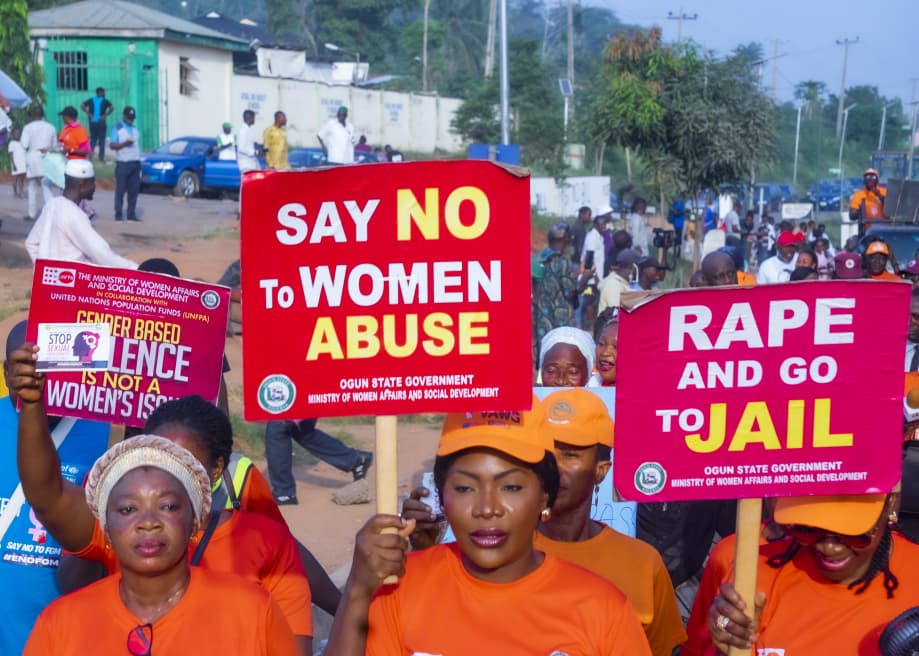
Ogun State Ministry of Women Affairs and Social Development has revealed that the State recorded Five Hundred and Two (502) cases of Gender-Based Violence (GBV) between January and November 2025, a figure it describes as both alarming and indicative of a deepening crisis affecting women, girls, and vulnerable persons.
The Ministry stated that the rising cases, including sexual assault, domestic abuse, child molestation, digital harassment and intimate partner violence, underscored the urgent need for far stronger legal safeguards and coordinated institutional action from all stakeholders to protect survivors and hold perpetrators more accountable.
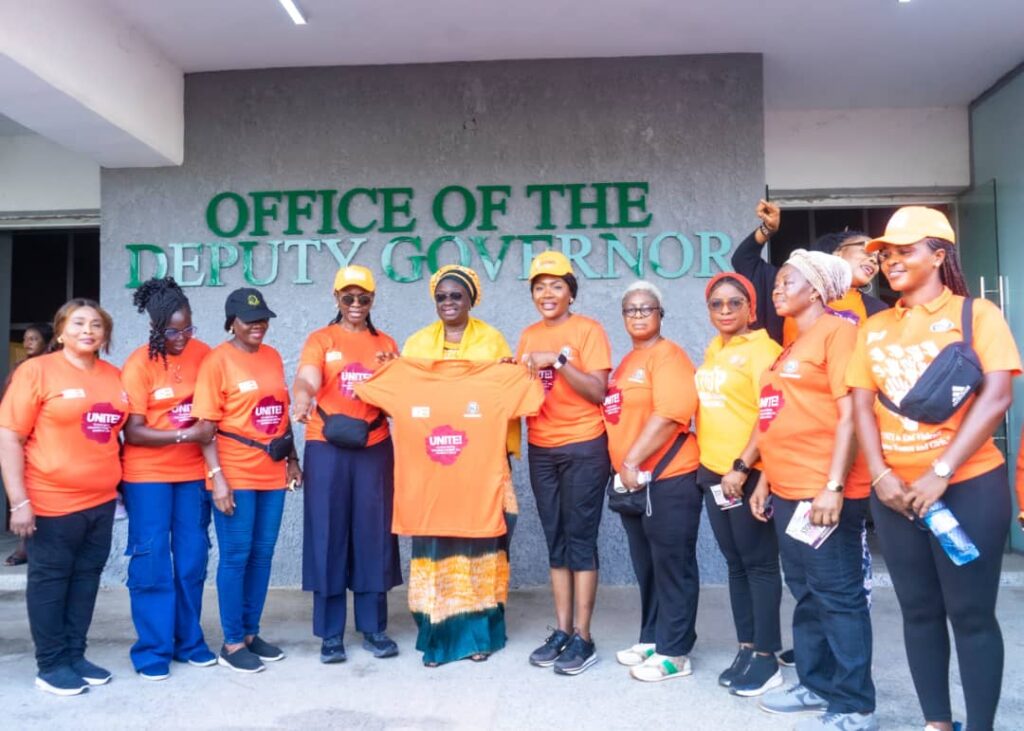
The State Commissioner for Women Affairs and Social Development, Hon. Adijat Adeleye, disclosed this during an interview shortly after an advocacy walk with the First Lady of the State, Mrs. Bamidele Abiodun, Members of the Spouses of the Government Functionaries (SOGSFA) and other Stakeholders held in commemoration of the Year 2025 16 Days of Activism Against Gender-Based Violence in Abeokuta.
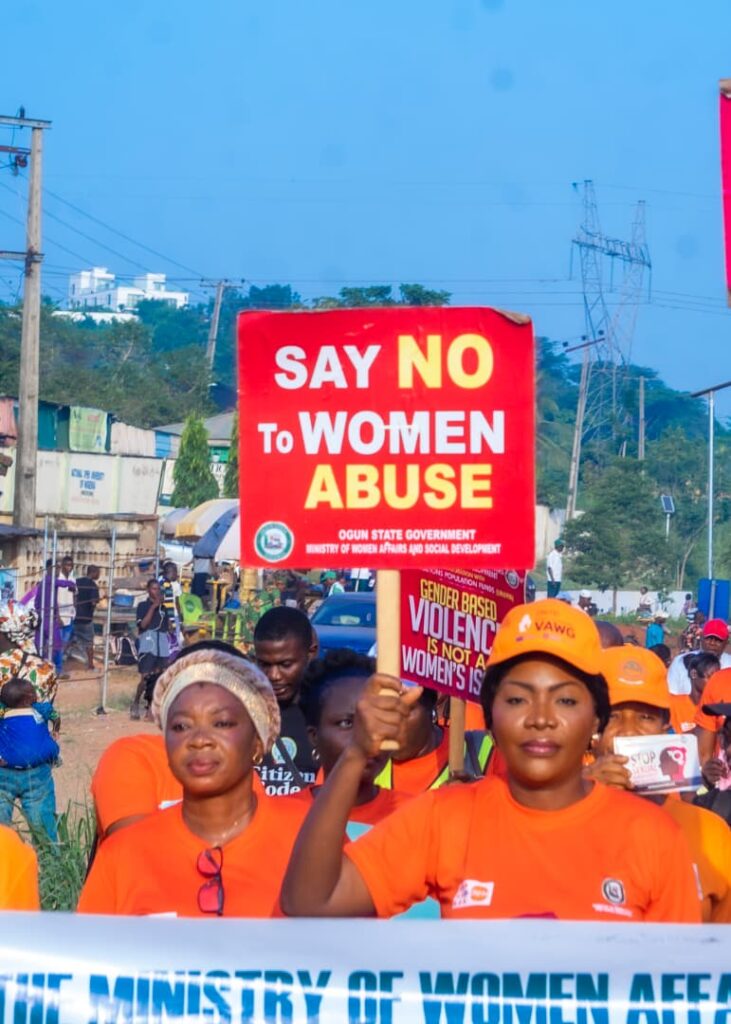
Adeleye disclosed that of the 502 cases, 120 were reported at the State’s Sexual Assault Referral Centres (SARCs), while the remaining cases were documented through area offices and partner organisations. She described the figures as “deeply troubling,” stressing that they capture only the portion of cases that reached government channels, as many women and children remain silent out of fear, stigma, or social pressure.
The Commissioner explained that the rise in cases reflects both the persistence of violence and the growing willingness of survivors to seek help due to improved reporting systems. She noted that the spike in digital-related abuse, including cyberbullying, online harassment, sextortion and impersonation, was emerging as a major concern for the State in the digital age.
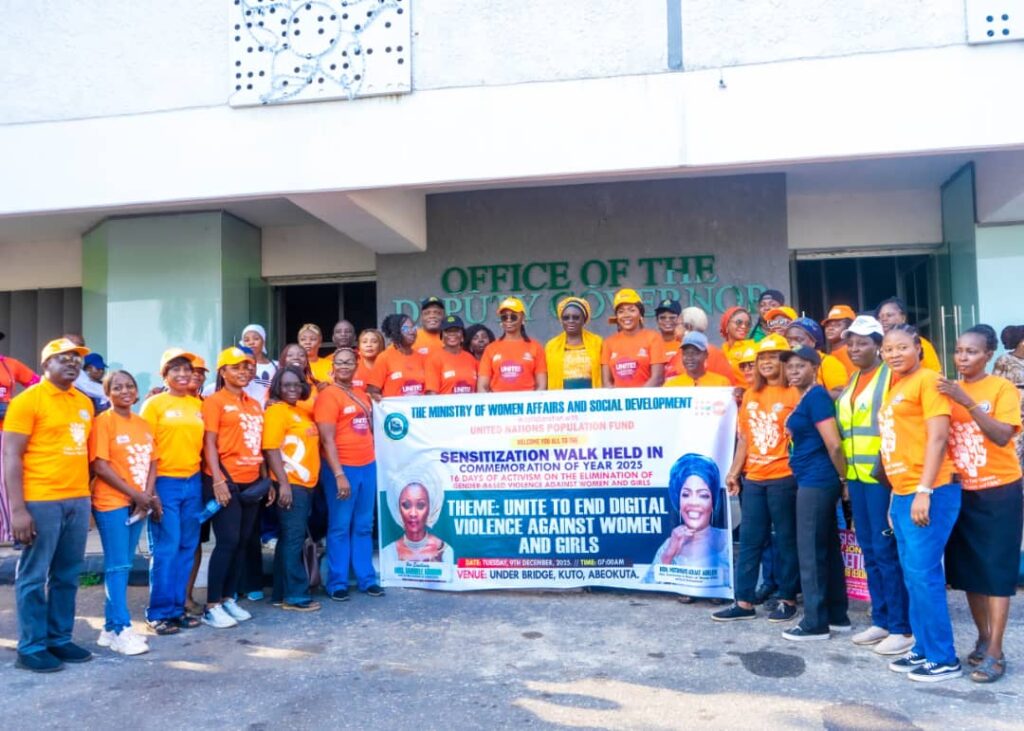
Speaking on the year’s theme, “Unite to End Digital Violence Against Women and Girls”, Adeleye warned that technology has created a new frontier for abuse, allowing perpetrators to target victims remotely and anonymously, explaining that the growing digital exposure of young people had left many vulnerable to online grooming, extortion and emotional manipulation.
To address the rising numbers, the Commissioner highlighted several interventions of the present administration by the Ministry in partnership with the State Economic Transformation Project, United Nations Population Funds (UNFPA), to include strengthening the Sexual Assaults Referrals Centres (SARCs), expanding temporary shelters, and intensive capacity-building for law enforcement officers, teachers, health workers and social workers on digital safety and GBV response.
She further noted that the Ministry expanded state-wide sensitisation programmes in both rural and urban communities, engaging traditional institutions, religious bodies and schools to dismantle cultural practices that normalise violence, in addition to Comprehensive Sexuality Education (CSE), which was also strengthened to assist young people understand personal safety, consent and digital responsibility.
Adeleye identified major institutional challenges undermining progress to include: slow judicial processes, family interference, underfunded survivor services and weak inter-agency coordination were listed among the persistent obstacles, while citing a recent defilement case of two minors where, despite evidence and medical reports, the perpetrator has not been apprehended, describing it as “a painful reminder of systemic lapses.”
The Commissioner advocated for bold legal reforms to better support survivors including special court for GBV, safe termination options for rape and incest survivors and pressed for rape to be formally classified as a non-bailable offence, arguing that granting bail often exposes survivors to intimidation and derails investigations.
Adeleye also urged parents, teachers, digital platforms and community leaders to take greater responsibility for safeguarding children and addressing online risks, while encouraging the male folks to act as allies in challenging harmful norms and supporting a violence-free society, noting that GBV prevention requires collective effort.
Reassuring survivors of continuous support, the Commissioner stated that the State would continue to strengthen its toll-free reporting lines, shelters and referral centres, reaffirmed the present administration’s commitment to building a community where every woman and girl could live safely; emphasizing that the fight against GBV demanded sustained action, stronger laws and unwavering accountability.