
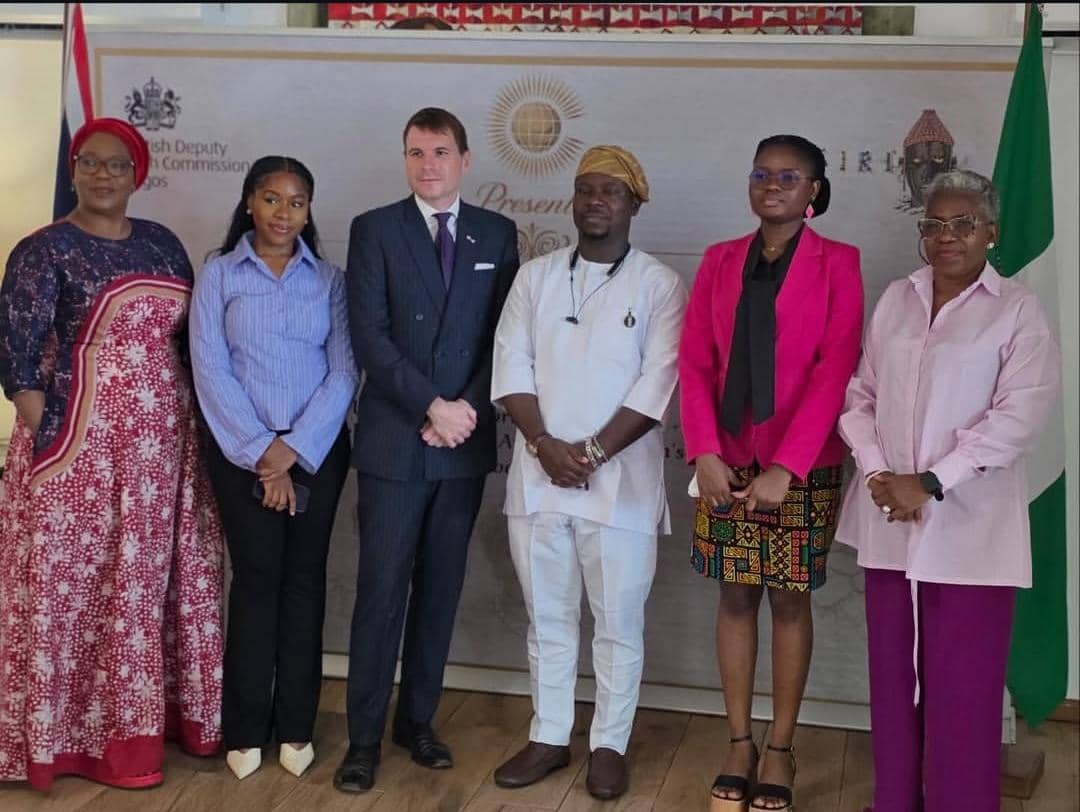
The British Deputy High Commission in Lagos hosted a joint celebration of International Women’s Day and Commonwealth Day 2026 on March 9, bringing together leaders, advocates, professionals and young changemakers to reflect on women’s leadership and expand conversations on opportunity and inclusion. The event, themed “Unlocking Opportunities Together + Celebrating Living Archive of Women’s Political and Social Resistance,” highlighted the historical and contemporary contributions of women in Nigeria and across the Commonwealth, and encouraged continued collaboration to advance gender equality.
A key highlight of the event was the unveiling of the exhibition titled Living Archive of Women’s Political and Social Leadership, which explored the contributions of women in Lagos between 1910 and 1950 alongside the broader impact of women across Commonwealth nations. The exhibition illustrated how women historically played critical roles in economic organisation, civic advocacy and public leadership. Through strong market networks, community associations and organised activism, women contributed significantly to shaping economic stability and influencing public life. The exhibition also emphasised that women across the Commonwealth have long contributed to national development through leadership in education, journalism, public health, governance and community mobilisation.
The curator, Dr Adebowale Oludamola explained that the project was conceived as a “living archive” to address gaps in historical documentation and ensure that women’s contributions are preserved and recognised. The initiative, which began more than a decade ago following the discovery of gaps in Nigeria’s historical narratives, has focused on researching and documenting the stories of Nigerian women whose contributions have often been overlooked. Through sustained research and storytelling, the project aims to build a long-term platform that preserves and shares women’s histories for future generations.
Delivering the keynote address, Dr Kemi DaSilva, Founder of the Women at Risk International Foundation (WARIF), spoke about the importance of mentorship, leadership, and purposeful ambition in shaping the future. She emphasised that mentorship plays a critical role in personal and professional development, noting that mentors can be found in different aspects of everyday life. According to her, mentorship should not only be sought but also practised, as individuals can positively influence others through their values and actions.
Dr DaSilva also emphasised that leadership should not be defined by titles or positions, but by the ability to inspire change and support others. She encouraged participants, particularly young women, to practise leadership through empathy, collaboration and initiative, stressing that meaningful leadership often begins with small actions that create positive impact within communities.
Speaking further, she encouraged participants to approach ambition with clarity and intention, setting realistic goals and building confidence through small achievements that lead to larger successes. She urged young people to remain curious, seek feedback and continuously challenge themselves to grow, emphasising that individuals have the power to shape their futures through deliberate action.
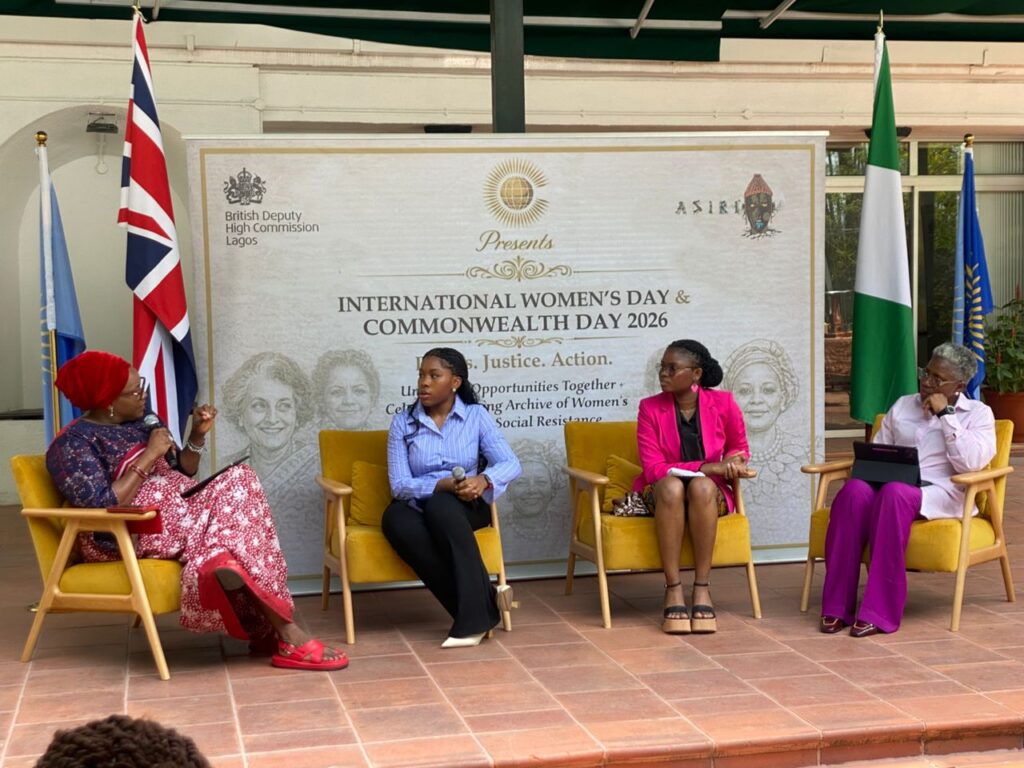
The event also featured a panel discussion moderated by Chairwoman Toun Okewale Sonaiya, where speakers shared insights on institutional accountability, youth empowerment and collaboration.
Executive Director of Media Concern for Women and Children Initiative (MEDIACON), Dr. Princess Olufemi Kayode, emphasised the importance of prioritising survivors of violence in institutional responses. She noted that survivors often seek safety, belief and dignity, and stressed that institutions must create safe reporting environments where women and girls can report cases without fear of stigma or retaliation. She further called for greater accountability systems to ensure that cases of misconduct are addressed and justice is served.
Miss Pandora Onyedirim, Senior Runner-Up in the 2025 Queen’s Commonwealth Essay Competition, spoke on the need for more opportunities and platforms for young people. She encouraged institutions within the Commonwealth to intentionally support youth participation through funding, mentorship and leadership initiatives. She also highlighted the growing influence of the internet and stressed the importance of teaching responsible digital engagement, noting that young people must be guided on ethical online behaviour and the responsible use of social media.
Legal practitioner and energy policy advisor, Miss Remi Olusoga, emphasised the importance of collaboration and knowledge sharing among women. She encouraged participants to actively share opportunities and work together to advance ideas and initiatives. She also urged young professionals to remain curious, ask questions and avoid limiting themselves through self-doubt. According to her, maintaining a visible digital footprint and documenting one’s professional journey can inspire others and contribute to knowledge sharing across generations.
The discussions throughout the event reinforced the importance of recognising women’s historical contributions while continuing to create opportunities that enable women to participate fully in leadership, governance and economic development. Participants were encouraged to build on the legacies of women who came before them by mentoring others, supporting institutional accountability and working collectively to expand opportunities for women across Nigeria and the Commonwealth.
Conclusion
The International Women’s Day and Commonwealth Day 2026 event successfully created a platform for reflection, dialogue, and collaboration around women’s leadership and opportunity creation.
By combining historical documentation with contemporary conversations about mentorship, leadership, institutional accountability, and youth empowerment, the event highlighted the importance of recognising women’s contributions while continuing to expand pathways for their participation in public life.
The discussions reinforced the idea that inclusive societies were built when women’s voices were acknowledged, their labour was valued, and their leadership was supported. Participants were encouraged to continue documenting women’s stories, mentoring future leaders, and collaborating to unlock opportunities for women across Nigeria and the wider Commonwealth.