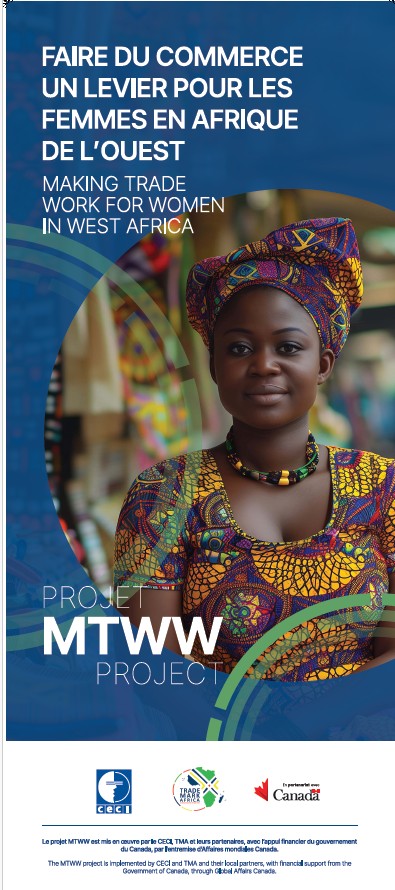
The six-year (2024-2030) regional initiative seeks to strengthen women traders’ rights and security, improve access to markets and finance, and promote inclusive trade across six West African countries.
Olusegun Odufuwa
LAGOS, Nigeria | October 29, 2026
The Making Trade Work for Women (MTWW) initiative has been officially launched in Nigeria, bringing together development partners, government representatives, financial institutions, women’s business associations and other stakeholders to strengthen women’s participation in cross-border trade and promote more inclusive economic opportunities across West Africa.
The launch, held at the Lagos Marriott Hotel, Ikeja, on Thursday, October 29, 2026, focused on addressing the barriers that continue to limit women traders’ access to markets, finance, business networks and secure trading environments.
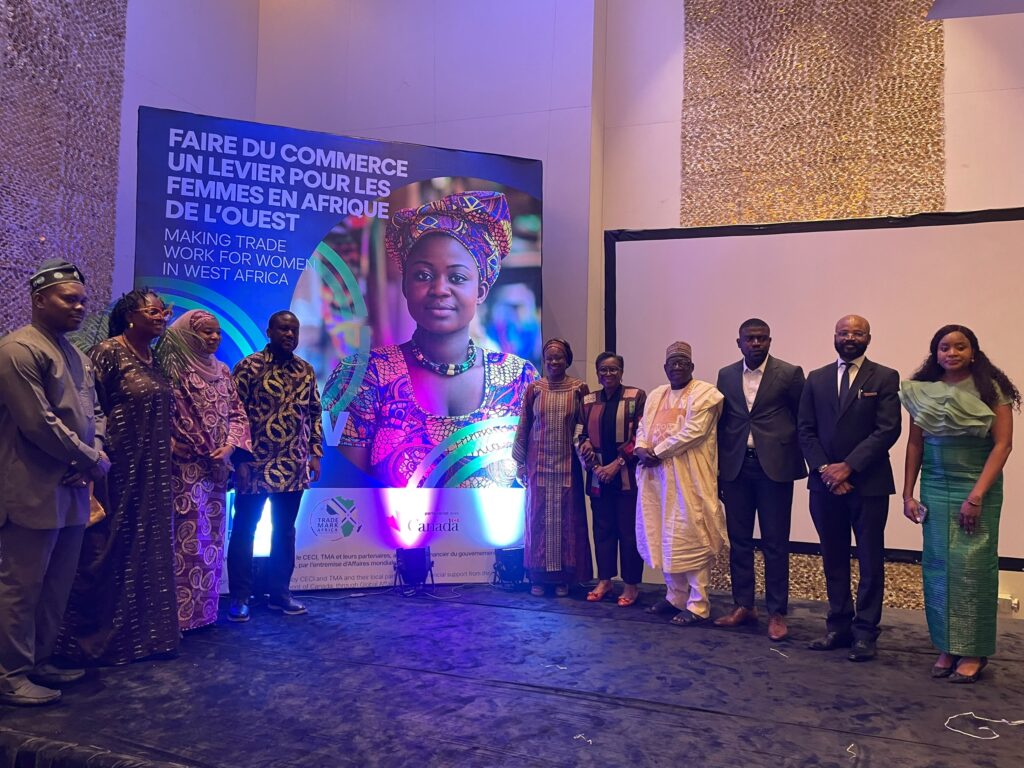
MTWW is a regional initiative operating across Nigeria, Benin, Burkina Faso, Côte d’Ivoire, Ghana and Togo. The programme is implemented by the Centre for International Studies and Cooperation (CECI) and TradeMark Africa (TMA), with funding from Global Affairs Canada. In West Africa, the initiative’s delivery is supported by Africa International Trade and Commerce Research (AITCR), the lead consortium implementing partner.
The initiative seeks to strengthen women traders’ rights and security, support women’s associations and networks, and promote trade policies that respond to the specific needs of women engaged in domestic and cross-border commerce.
Women play a significant role in West Africa’s trading economy, particularly in agribusiness and the movement of food and agricultural products across borders. However, many continue to face challenges that make it difficult to operate efficiently, expand their businesses and access higher-value markets.
These challenges include complex border procedures, extensive documentation requirements, limited awareness of trade regulations, inadequate transport and storage infrastructure, restricted access to finance, unpredictable charges and concerns about safety at border points.
Speaking at the launch, Mr. Kwamina Ekremet, Director for Anglophone West Africa at TradeMark Africa, highlighted the importance of making regional trade more accessible, affordable, predictable and responsive to the realities of women traders.
He noted that the difficulties women experience at border points can have direct consequences for their businesses, livelihoods and families. Delays increase operating costs, reduce profits and create additional pressure for small-scale traders working with limited capital.
The initiative therefore seeks to move beyond encouraging women to participate in formal trade to addressing the practical obstacles that prevent them from benefiting fully from regional economic opportunities.
The launch featured welcome and opening remarks, stakeholder contributions, a presentation on the MTWW initiative, and discussions on the expectations and priorities of target groups.
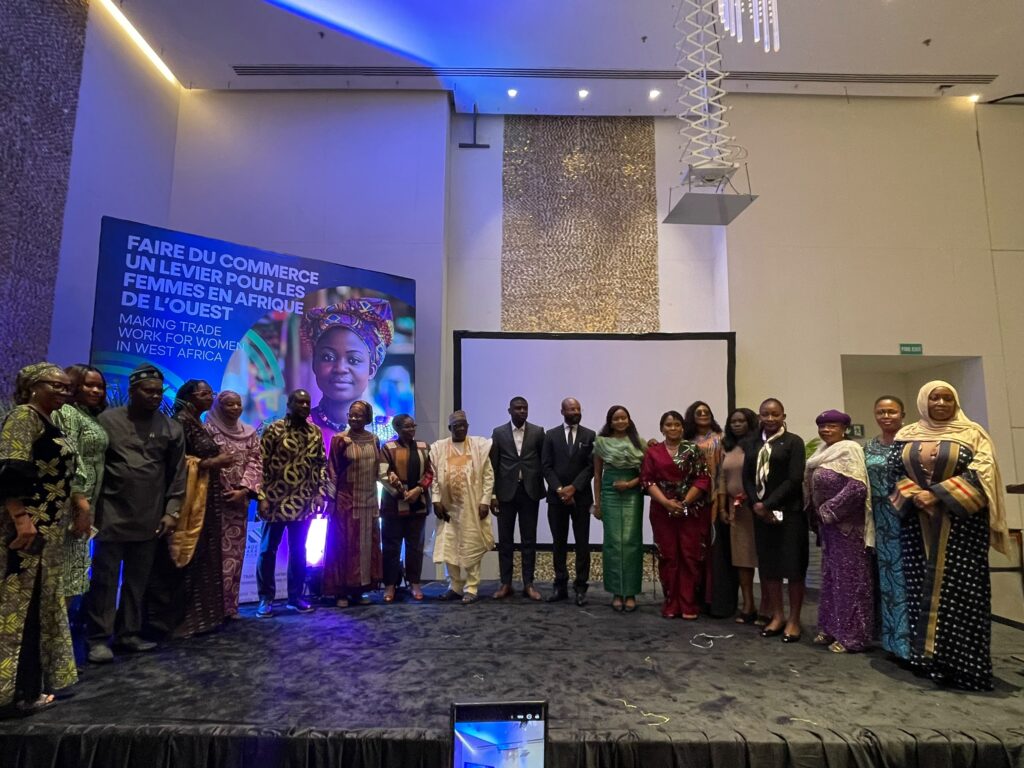
Mr. Brice Adou, Programme Lead for MTWW at TradeMark Africa, delivered the welcome address, while Mr. Kwamina Ekremet provided the opening remarks.
Other speakers included Mrs. Samira Saleh-Jimeta, representing the Women Chamber of Commerce, Industry, Mines and Agriculture (WCCIMA); Ms. Genevieve Nwowu, Unit Head of the Women in Manufacturing Unit; and Mrs. Daniella Jarikre-Ikazaboh, Head of the Lagos Regional Office of NEXIM Bank.
The programme also featured a presentation on MTWW by Madam Halima Ouattara, Regional Coordinator for MTWW at CECI, who introduced the initiative and its objectives to stakeholders.
Representatives of women’s trading groups also shared their expectations and perspectives on the challenges affecting their businesses. These included Miss Asakwo Nkoye of the National Association of Nigerian Traders (Women Wing), Adaba Hannah of the Nigerian Ports Economic Regulatory Agency, and Mrs. Omotola Durodola of the Association of Crossborder Pineapple Traders of Lagos State.
Their participation underscored the importance of incorporating the experiences of women traders and their associations into the design and implementation of interventions intended to improve their trading conditions.
Representing the Government of Nigeria, Mr. Dayo, Assistant Chief Commercial Officer in the Trade Department of the Federal Ministry of Industry, Trade and Investment, Abuja, delivered remarks highlighting the government’s participation in efforts to improve the trade environment.
Mrs. Jehilat Ismaila Ayunde of the Bank of Industry, Nigeria, also contributed to the stakeholder discussions.
A central objective of MTWW is to help women benefit more fairly from the opportunities offered by the African Continental Free Trade Area (AfCFTA), which seeks to facilitate trade and strengthen economic integration across the continent.
For women operating small and medium-sized businesses, improved access to trade information, finance, business networks and simplified procedures can create opportunities to expand beyond local markets and participate more effectively in regional commerce.
The initiative also aims to strengthen women’s associations so they can better represent their members, advocate for improvements and engage constructively with relevant government agencies and other institutions.
Through collaboration with public authorities, development partners and private-sector stakeholders, MTWW seeks to support more gender-responsive trade policies and safer, more predictable trading environments.
These efforts are particularly important along the Abidjan–Lagos corridor, a major regional trade route connecting economic activities across several West African countries.
The Nigeria launch represents an important step in building stakeholder ownership and strengthening partnerships for the implementation of MTWW at the country level.
The initiative’s approach places women traders’ experiences at the centre of its activities, recognising that sustainable improvements must reflect the realities they encounter in markets, at border crossings and throughout the trading process.
By strengthening coordination among government institutions, women’s associations, financial institutions and development partners, MTWW aims to support practical solutions that improve women’s access to markets and economic opportunities.
The success of these efforts will depend on sustained collaboration, effective implementation and the ability to translate stakeholder commitments into tangible improvements in women’s everyday trading experiences.
The implementation of the Making Trade Work for Women initiative is supported by the collaboration and contributions of its funding, implementation and delivery partners.
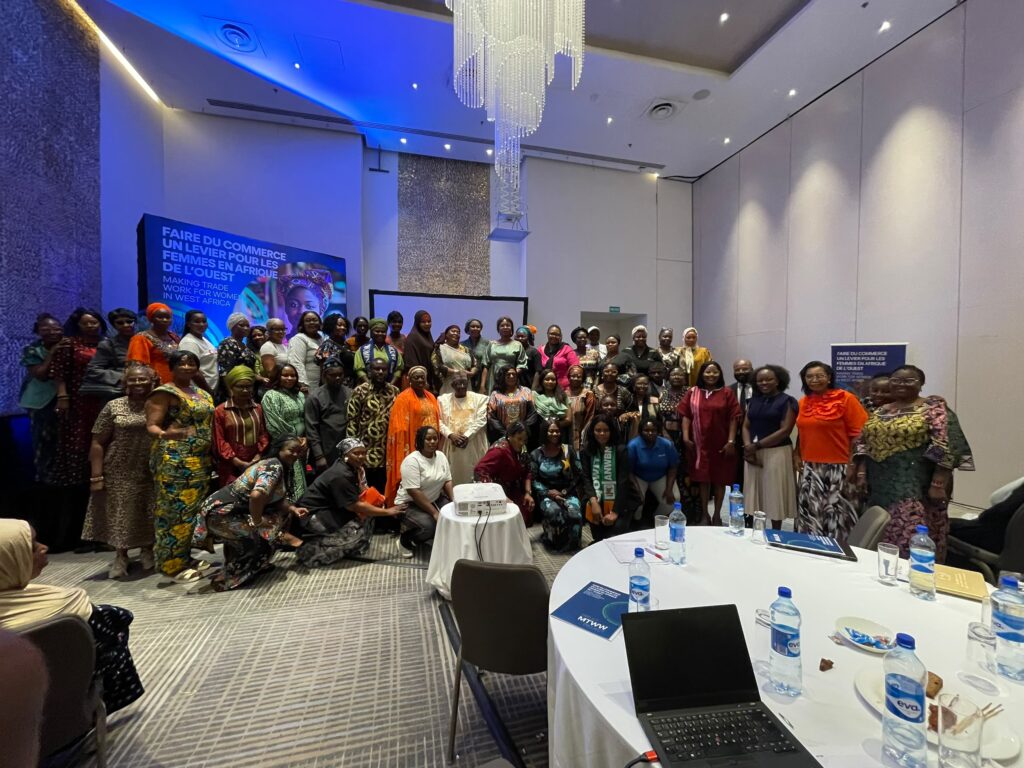
Global Affairs Canada, through the Government of Canada, provides financial support for the regional initiative, demonstrating its commitment to inclusive trade and women’s economic empowerment.
The Centre for International Studies and Cooperation (CECI) and TradeMark Africa (TMA) are the implementing organisations responsible for advancing the programme’s objectives across the six participating countries.
Africa International Trade and Commerce Research (AITCR) supports delivery in West Africa as the lead consortium implementing partner.
The initiative also relies on engagement with the Government of Nigeria, relevant trade institutions, financial organisations, women’s business associations and other stakeholders whose participation is essential to improving the conditions under which women trade.
Their collective efforts reflect a shared commitment to making regional commerce more inclusive and ensuring women can participate more fully in the economic opportunities available across West Africa.
The launch of MTWW in Nigeria marks a significant milestone in efforts to strengthen women’s participation in cross-border trade and improve the environment in which women-owned businesses operate.
As implementation progresses, the experiences, priorities and recommendations of women traders will remain important in shaping interventions and identifying practical areas for improvement.
By addressing trade barriers, strengthening women’s networks and promoting more responsive policies, the initiative aims to contribute to stronger businesses, improved livelihoods and more inclusive regional economic growth.
Ultimately, making trade work for women means creating conditions in which women can move their goods safely, access markets more easily, grow their businesses and benefit fairly from the opportunities offered by regional trade.
Making Trade Work for Women is a regional initiative designed to address barriers limiting women’s participation in cross-border trade in Benin, Burkina Faso, Côte d’Ivoire, Ghana, Nigeria and Togo. Implemented by the Centre for International Studies and Cooperation (CECI) and TradeMark Africa (TMA), with funding from Global Affairs Canada, the initiative focuses on strengthening women’s trading rights and security, supporting women’s associations and networks, and promoting gender-responsive trade policies.