

By Esther Alaribe and Mariam Kolawole
In September 2025, Deborah Moses was murdered by Lintex Ogale, her ex-boyfriend from two years ago. Another woman who has been added to the sad statistics of women who have lost their lives through gender-based violence in 2025.
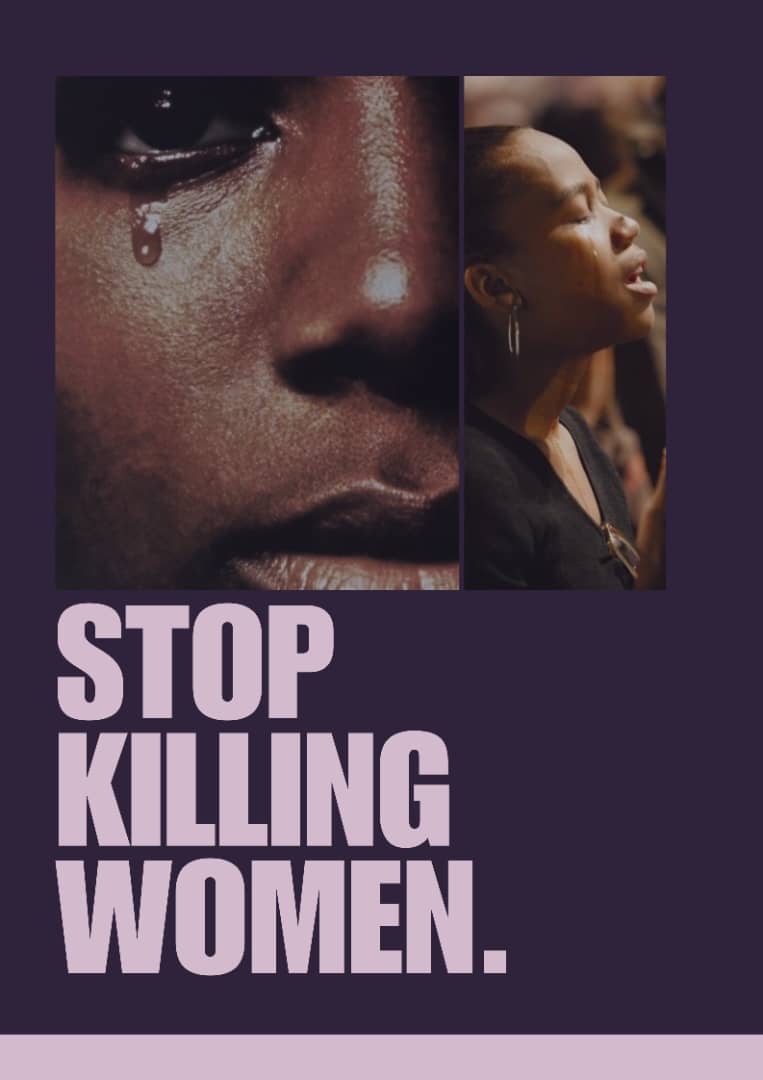
—Femicide is an upsetting trend on the rise.
In 2024, DOHS Cares Foundation recorded 133 women and girls who were killed in relation to gender-based violence, the cases of femicide have since been on the rise. As at September 2025, the number of women who have lost their lives to femicide is about 83 according to the DOHS femicide register While a global report on femicide from the UN Women and the UN Office of Drugs and Crime revealed that 51,000 women were killed in 2023 by intimate partners or close family members across the world.
These rising cases of femicide leave us wondering: if sensitisation and advocacy campaigns through different mediums are falling on deaf ears, what other strategies should we adopt to pass the message?
Understanding Femicide
Femicide- the killing of a woman or girl on the basis of her gender, especially when motivated by misogyny.
Femicide is categorised as intimate, non-intimate, direct or indirect i.e. from the people she knows, to the stranger on the road, to the doctor who refuses to treat her because of her gender, to her dying from harmful traditional practices, to her murder for ‘blasphemy’, the honour killings, the ritual killings, sex-related killings, the slaughter for her organs etc.
Cultural and Social Drivers

Perpetrators have continued to harm women which could be linked to the stipulations of Albert Bandura’s Social Learning Theory; a lot of people grow up in dysfunctional homes, people imitate the behaviours of those around them, also seeing that some of these cases haven’t been handled in ways that clearly spelt out consequences in due time, allows for a replication of the actions.
Patriarchal norms contribute to the rising data on femicide; as a society we have accepted a lot of harmful and exploitative norms hidden under culture and traditions like certain widowhood practices, child marriage, money wives, female genital mutilation etc. These exploitative and harmful practices are carried out on women as they are seen as properties to be owned and families can decide what to do with them as long it benefits them[the families]. A lot of women can not contend with these actions as they have been taught to remain silent and do as told.
The ingrained social conditioning of women and families leaning towards patriarchal norms inhibit women from reporting these cases, then the processes these reports have to go through almost makes it look like a humiliation ritual in some settings where officers involved have limited information on right terminologies and escalation processes.
With the culture of silence, is one that also misplaces responsibility. A common argument that women should keep themselves safe by avoiding places or people that might harm them which unfairly shifts responsibility. We tell women everything to do and not do while the society makes excuses for perpetrators citing imaginary events that could have prompted the actions which isn’t any excuse for any kind of bodily harm, death and image dent on women.
When women say they feel unsafe in the country, the society focuses on the outrage and actions rather than lend voices to condemn the actions of the perpetrators and confront the culture that enables them. Social media platforms like X allow feminists to air their views on these issues without the censorship of gatekeepers like in the traditional media, allowing for broader conversations on experience and knowledge sharing, tackling misogynistic comments and expressions in intended and unintended forms, educating people on terminologies that reinforce the narratives we seek to change. The society must change, we must stop shifting accountability and cancel victim blaming. There are a lot of push backs as these feminists face a lot of slanders and get tagged different names for daring to change the status quo.
Will Nigeria Rise To Protect Its Women?
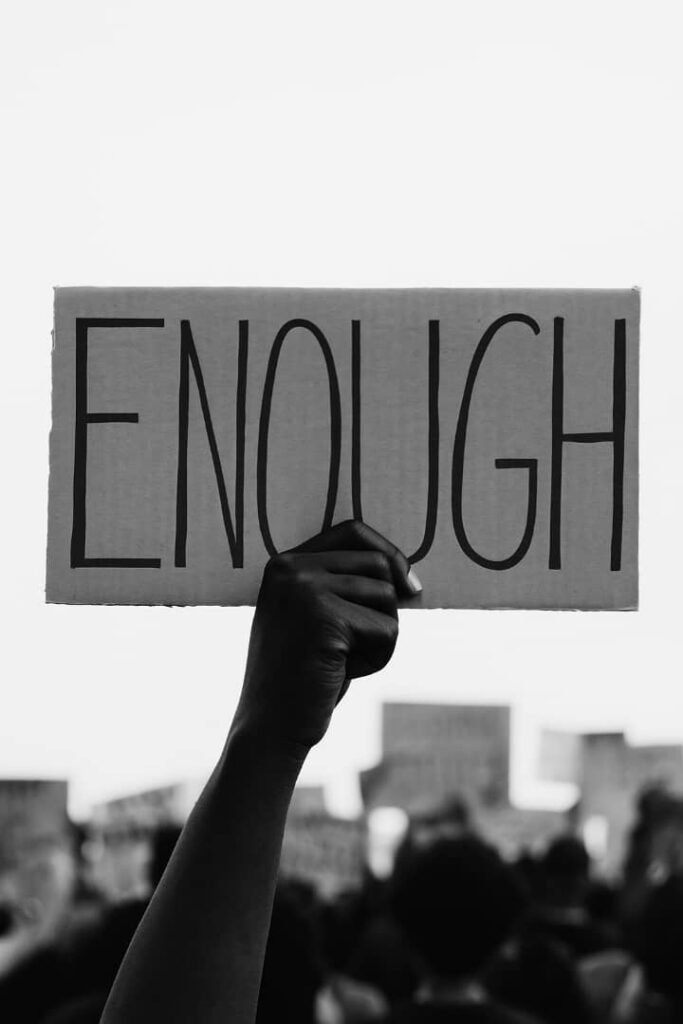
Femicide is the societal failure to enforce justice, deter and restrain violent men.
The emergence of the “Men as Allies” in advocating for women is one concept whose impact is yet to be defined in a country like Nigeria, a highly patriarchal society knowing that men who do not “clip” women are seen as good men thereby benefiting from the actions of those who hinder women from daring and asking for more. Those who raise concerns for women issues still have their biases and it shows in the little things in the society; the conversations are still perceived as wanting to dominate men as against being seen as equal peers with access to equal opportunities and agency.
The issues are everywhere we look, sexism in language, the lyrics of secular songs, the expectations of the society towards women almost asking for a docile outlook of women- the issues are hydra headed and daunting to interact with daily as feminists and advocates of women’s rights are tagged and addressed using different slurs. The demands shall be sustained as no movement is accepted without a disruption; before acceptance by a large number of the population.
The approach of some NGOs to engage traditional and religious leaders over the years has been a strategy to take the message to the grassroots as a lot of these forms of abuse and discrimination against women happen there, the use of this form of sensitization for rural communities might not provide solutions in the immediate, and as such actions need to be sustained to achieve the kind of change we aim to see.
In urban settlements, we see organisations being engaged to ensure equal pay and opportunities for both sexes although we see some women making the mark and shattering the glass ceilings in their sector, there isn’t adequate representation at the top as most women are fizzled out at middle management level due to life changes, gender bias in promotions, systemic biases and stereotypes. These advocacy campaigns have involved all forms of communication channels alongside advocacy visits however these issues persist.
Safety is a basic human right, not a responsibility or something women need to earn.
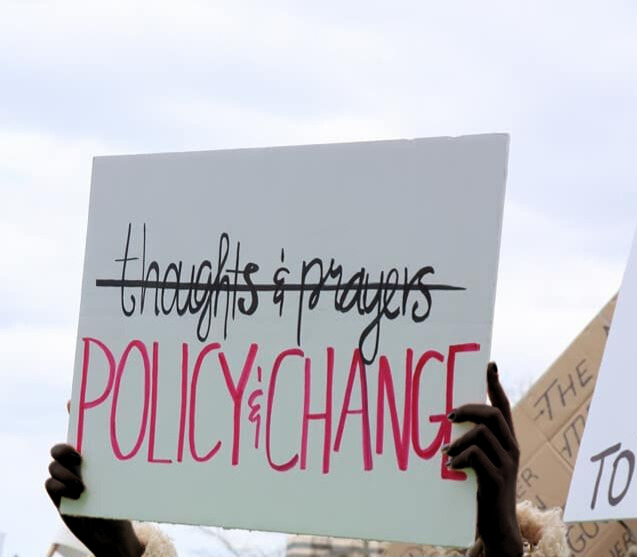
The death of Deborah Moses is not an isolated case; it is part of a pattern that reflects how deeply patriarchy, harmful traditions, and weak accountability structures harm women in Nigeria. Each life lost to femicide is a stain on our collective humanity and ability to raise our voices against these issues.
Beyond the VAPP Act, Nigeria needs a National Femicide Unit and Register, the creation and enforcement of a Femicide Law similar to Belgium’s, timely prosecutions and sustained education campaigns (especially targeted at men) to dismantle beliefs that devalue women.
Until society consistently condemns perpetrators, dismantles harmful norms, and creates systems that protect rather than humiliate women, the statistics might just continue to grow.
The question remains: how many more Deborahs must we lose before Nigeria truly takes action?
Esther Alaribe is a gender advocate and journalist.
Mariam Kolawole is a writer and media storyteller passionate about gender justice, social impact, and women’s rights.