
Olusegun Odufuwa: Lagos Nigeria
The 25th WIMBIZ Annual Conference brought together influential business leaders, policymakers, entrepreneurs and professionals to examine the future of women’s leadership, business ownership and economic participation in Africa, with a strong call for women to move beyond representation and take greater ownership of the continent’s economic opportunities.
The Women in Management, Business and Public Service (WIMBIZ) marked a significant milestone in its history as it hosted its 25th Annual Conference on November 5 and 6, 2026, bringing together some of Nigeria’s most influential business leaders, policymakers, entrepreneurs, corporate executives and professionals for two days of strategic conversations on women’s leadership and economic development.
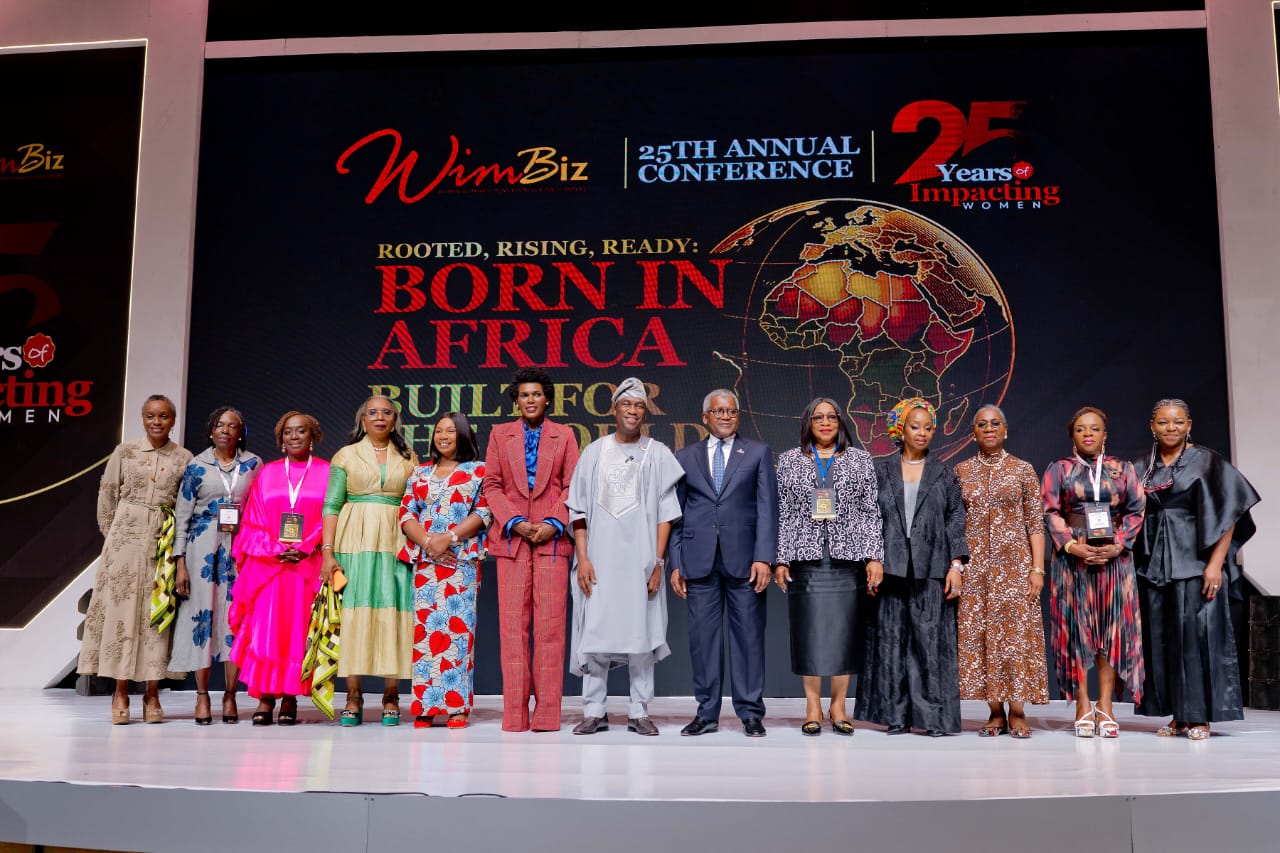
Held in Lagos under the theme “Rooted, Rising, Ready: Born in Africa, Built for the World,” the silver jubilee conference provided a platform to celebrate WIMBIZ’s 25-year journey while examining the opportunities, challenges and responsibilities shaping the next generation of women leaders across Africa.
Among the prominent personalities at the conference were Africa’s leading industrialist, Alhaji Aliko Dangote; Chairman of Heirs Holdings and Founder of the Tony Elumelu Foundation, Mr. Tony O. Elumelu; and the Deputy Governor of Lagos State, Dr. Kadri Obafemi Hamzat.
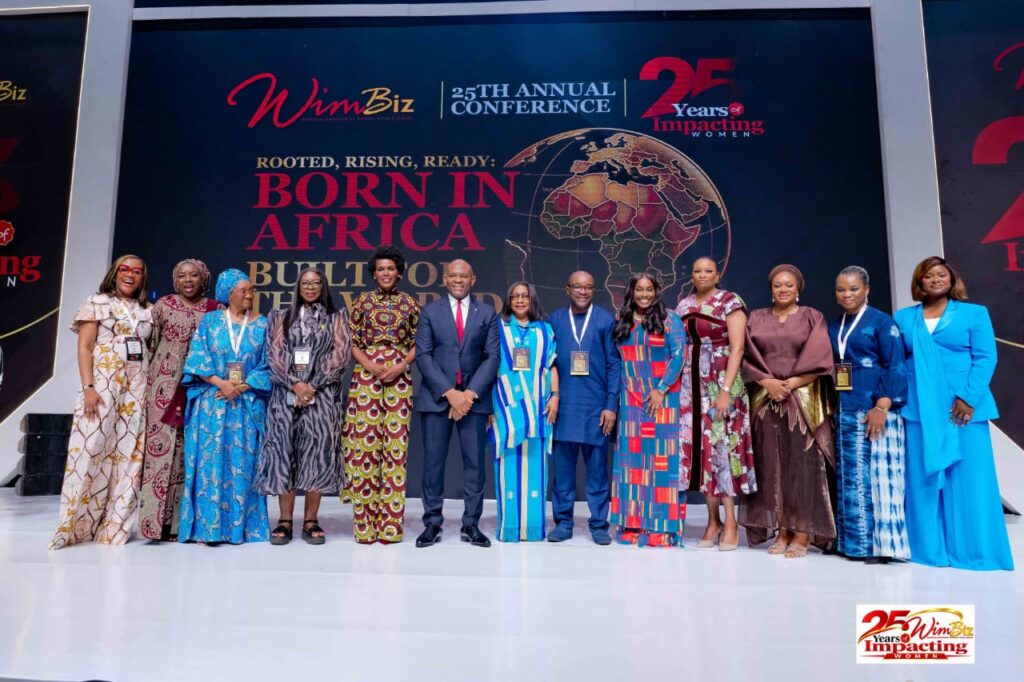
The gathering also attracted accomplished entrepreneurs, investors, development practitioners, public-sector representatives and women professionals from different sectors, reinforcing WIMBIZ’s position as an important platform for conversations around women’s advancement in business, management and public service.
Beyond the celebration of 25 years of institutional growth, the conference delivered a clear message: African women must move beyond participation and representation to ownership, investment, leadership and greater influence in the industries driving economic transformation.
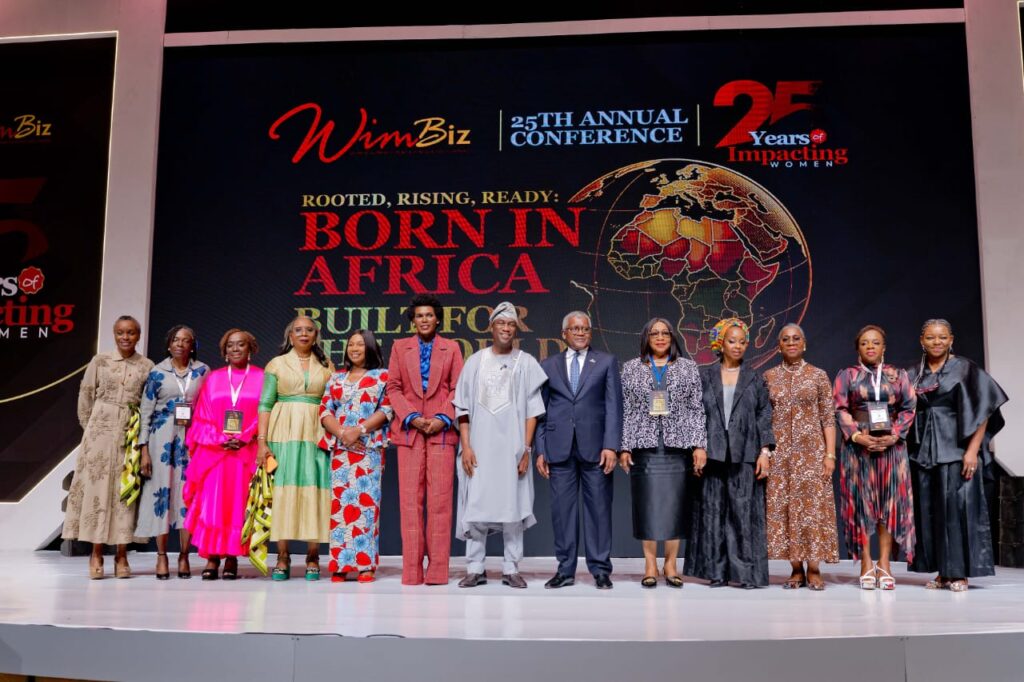
WIMBIZ Celebrates 25 Years of Advancing Women’s Leadership
For 25 years, WIMBIZ has championed the advancement of women in management, business and public service through leadership development, mentorship, advocacy, networking and strategic partnerships.
In her welcome address, WIMBIZ Chair, Mrs. Ebisan Akisanya, described the organisation as more than an institution, but a movement and an enduring force that has inspired women to live with courage, authenticity and purpose.
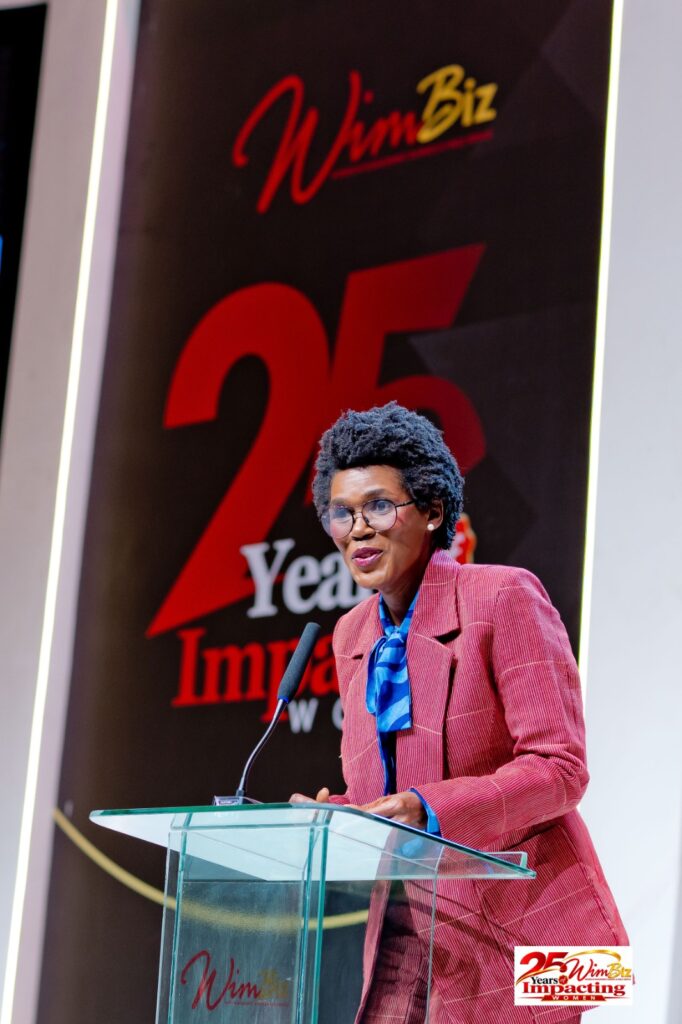
Her remarks reflected on the organisation’s journey and the importance of sustaining a platform where women can grow, learn, support one another and create opportunities for future generations.
In her opening remarks, WIMBIZ Executive Director, Bennedikter Molokwu, situated the silver jubilee within the organisation’s founding vision of making women visible and influential across management, business and public service.
She described the WIMBIZ community as an interconnected root system, emphasising that individual success is strengthened by collective support, mentorship and the sharing of resources.
She also challenged members to move beyond networking as an event-based activity towards practical collaboration, including cross-border exchanges of expertise, professional capabilities and commercial opportunities.
Her message was that the next chapter of women’s advancement must be measured not only by how far individual women rise, but also by the opportunities they make possible for others.
Aliko Dangote Challenges African Entrepreneurs to Embrace Manufacturing and Value Creation
One of the major highlights of the conference was the keynote address and fireside conversation featuring Africa’s foremost industrialist, Alhaji Aliko Dangote.
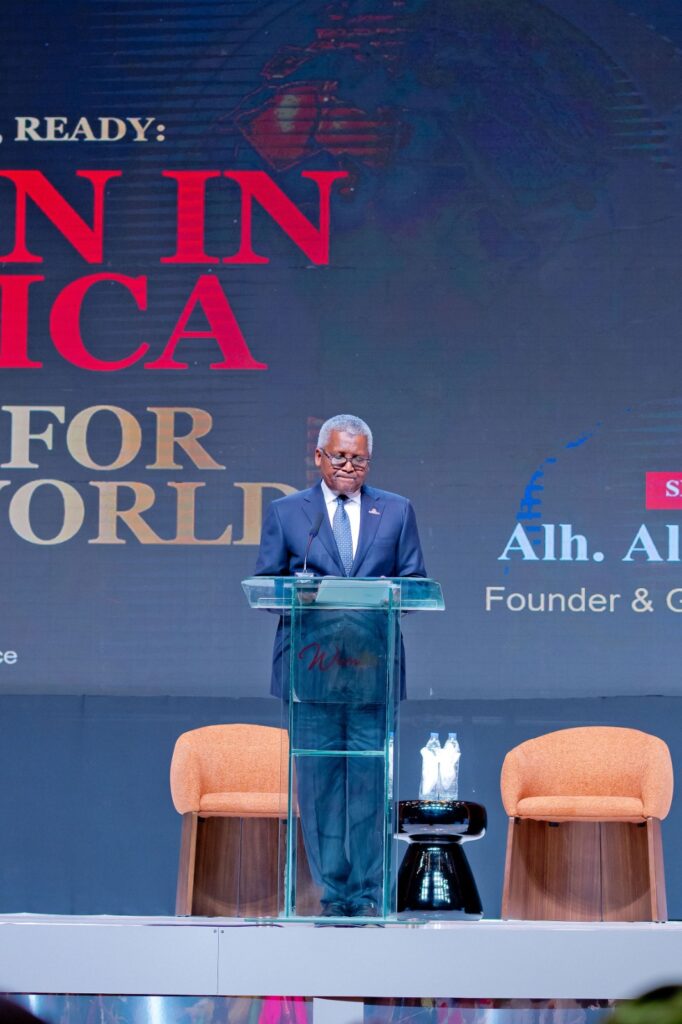
Speaking on the importance of Africa’s economic potential and the opportunities available to the continent, Dangote challenged African entrepreneurs to rethink the continent’s economic model and focus on what Africa can produce, manufacture and export rather than relying predominantly on the export of raw materials.
Drawing from the growth of the Dangote Group, he highlighted the economic opportunities that emerge when businesses transition from trading into manufacturing and industrial production.
He noted that Africa loses significant economic value when it exports raw materials only to import finished products manufactured elsewhere. He therefore called for greater investment in local manufacturing, industrial capacity, domestic investors and export-oriented production.
He also addressed some of the major challenges confronting businesses across the continent, including unreliable electricity, inconsistent government policies, financing pressures and operational risks.
During the fireside conversation, titled “The Geography of Opportunity: Why the World Needs What Africa Has,” moderated by Rolake Akinkugbe-Filani, the discussion explored how African capital could be mobilised and how more people could participate in investment and wealth creation.
Dangote emphasised the importance of trustworthiness, business knowledge, competence and demonstrated performance in attracting investment. He also encouraged entrepreneurs to understand and establish their businesses in their home markets before pursuing regional expansion.
His message to entrepreneurs was straightforward: think big, understand your business, focus on execution, build trust and take calculated risks.
For women entrepreneurs, the discussion presented an important opportunity to look beyond conventional trading activities and explore manufacturing, processing, industrial services and export markets as pathways to building sustainable businesses.
Dr. Kadri Obafemi Hamzat Highlights Lagos State’s Commitment to Women’s Economic Empowerment
The conference also received the participation of the Deputy Governor of Lagos State, Dr. Kadri Obafemi Hamzat, whose presence underscored the importance of government engagement in conversations around women’s economic empowerment, enterprise development and inclusive growth.
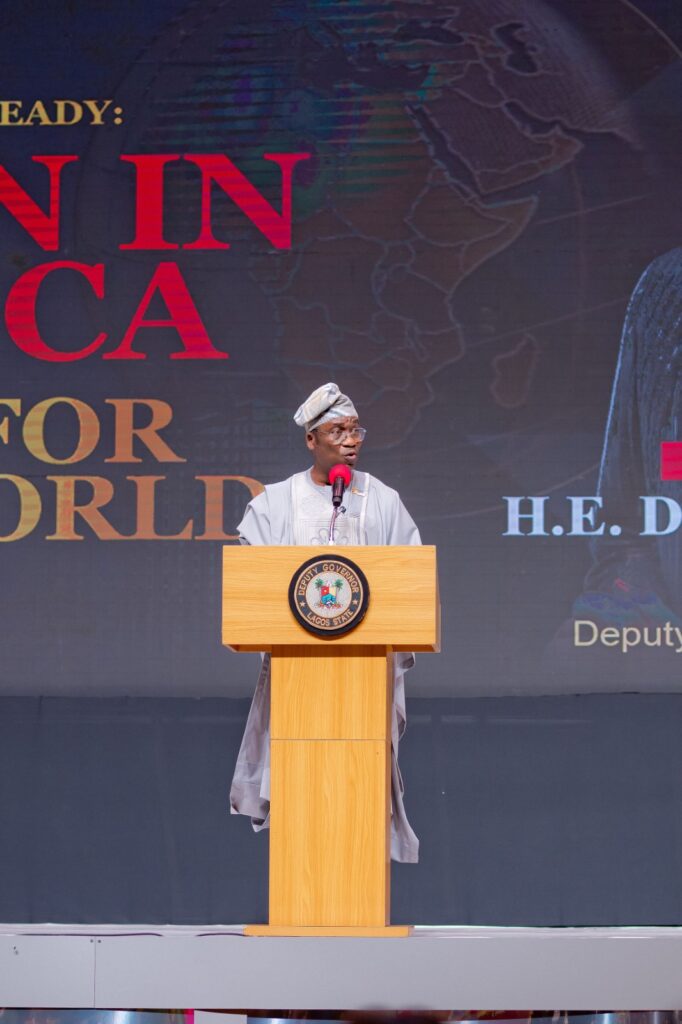
Representing the Lagos State Government, Dr. Hamzat highlighted the importance of women’s participation in economic productivity, job creation and the competitiveness of the state.
The government’s goodwill message addressed some of the persistent challenges confronting women entrepreneurs, including access to finance, business approvals, market opportunities and export readiness.
He highlighted government interventions aimed at strengthening the MSME ecosystem, supporting enterprise financing and expanding opportunities for women-owned businesses.
A notable point from the address was the disclosure that 16 of the 20 participants selected to represent Lagos State at the Intra-African Trade Fair in Algiers were women. This highlighted the growing importance of positioning women entrepreneurs for international trade and broader market access.
The state’s MSME cooperative financing initiative and other enterprise support programmes were also highlighted as part of efforts to strengthen business development.
Dr. Hamzat’s participation reinforced the need for sustained collaboration between government, financial institutions, the private sector and organisations such as WIMBIZ to create an enabling environment where women can establish, grow and scale sustainable businesses.
The conversation also drew attention to the importance of measuring the actual impact of government interventions, particularly their contribution to women’s business growth, access to markets and economic participation.
Women Must Move from Participation to Ownership of Economic Opportunities
A recurring message throughout the conference was the need to move women’s economic participation beyond representation towards ownership and control of productive assets.
The discussions examined how women could position themselves in high-value sectors, participate in investment decisions, control supply chains and build enterprises that contribute meaningfully to economic development.
Participants explored opportunities across manufacturing, agriculture, technology, logistics, financial services, healthcare, infrastructure and international trade.
The conference challenged women to look beyond occupying positions within existing economic structures and begin building businesses, developing industries and creating institutions that will shape future opportunities.
The emphasis was on ensuring that women are not merely included in economic conversations but are actively involved in determining how wealth is created, managed and distributed.
Green Economy and Food Value Chain: A New Frontier for Women
Another significant session was the plenary discussion titled “The Green Economy and Africa’s Food Value Chain: What African Women Need to Own Next.”
The session examined the opportunities available to women in agriculture, food processing, renewable energy, logistics and sustainable production.
Panellists challenged the concentration of women in labour-intensive, low-margin agricultural activities and highlighted the need for greater female ownership and participation in more profitable segments of the value chain.
Opportunities discussed included agricultural processing, farm-input businesses, aggregation, quality control, storage, logistics and distribution.
The conversation also explored the use of hybrid power systems to reduce operational costs arising from unreliable electricity, as well as converting agricultural waste into organic fertiliser and other commercially useful products.
Examples included initiatives to train women in cassava-related value addition and services, demonstrating how women could participate in agricultural value chains beyond primary production.
A key takeaway was that sustainable businesses must be built around identifiable market demand. Entrepreneurs were encouraged to understand their markets, establish reliable supply systems, maintain proper business records and meet regulatory requirements before scaling.
The session positioned the green economy not merely as an environmental conversation, but as a growing commercial opportunity for women willing to innovate and invest.
Access to Capital: Moving Women-Owned Businesses from Potential to Scale
Access to finance remained one of the major issues discussed at the conference.
The Capital Room session, titled “Getting Seen, Getting Funded, Getting to Scale,” examined the challenges women-owned businesses encounter in accessing investment and the importance of preparing businesses to attract funding.
The discussions explored the gap between the availability of capital within the financial system and the extent to which women-led businesses can access it.
Participants examined the importance of investor networks, business documentation, financial projections, commercially viable business models and appropriate financing instruments.
The conversation went beyond simply calling for increased funding. It explored what entrepreneurs must do to become investment-ready and what investors and financial institutions must do to create more accessible funding opportunities for women.
Participants also considered the value of business coalitions that bring together finance, logistics, energy, security, technical expertise and market access.
The central message was that capital is only one component of a larger business ecosystem. Women-owned enterprises also need the skills, infrastructure, networks and market opportunities required to translate investment into sustainable growth.
Strategic Conversations on Building, Acquiring and Scaling Businesses
The conference featured practical business sessions designed to equip entrepreneurs and professionals with the knowledge required to make strategic decisions.
During “Positioning for Continental Opportunities,” Adeola Olusodo used the Lekki economic zone as a case study to demonstrate how coordinated infrastructure and predictable business environments can attract investment and create opportunities across multiple industries.
She encouraged women entrepreneurs to position themselves within emerging industrial value chains by providing logistics, packaging, warehousing, training, technical services and other supporting services.
In “Build, Buy, Partner,” Tope Shonubi examined the different strategies businesses can adopt when pursuing growth and expansion.
He explained that building a business internally, acquiring an existing business or entering into strategic partnerships should depend on an organisation’s capabilities, resources, objectives, market conditions and appetite for risk.
He also highlighted the importance of understanding external dependencies, implementation risks and operational realities before committing resources to major business decisions.
Another engaging session, “From Where I Sit,” delivered by Tokunboh Talabi, explored career transitions and the importance of recognising existing skills, experience and professional networks as foundations for new opportunities.
He encouraged participants to challenge self-limiting assumptions, prepare for career transitions, understand commercial opportunities and avoid unproductive diversification.
Together, these sessions reinforced the importance of preparation, strategic thinking, collaboration and disciplined execution in building sustainable businesses.
Tony Elumelu Calls for Greater Investment in African Entrepreneurs
The second day of the conference featured another major address by Tony O. Elumelu, CFR, Chairman of Heirs Holdings and Founder of the Tony Elumelu Foundation.
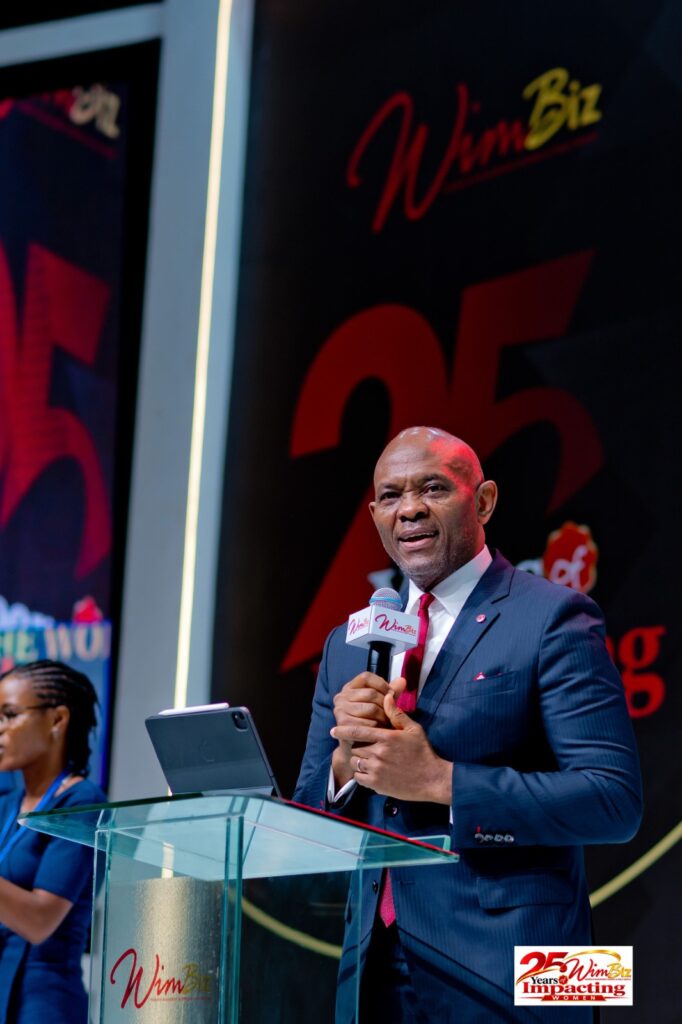
Speaking on “The Geography of Opportunity: Why the World Needs What Africa Has,” Elumelu challenged African leaders, investors and entrepreneurs to rethink the continent’s approach to economic development.
He argued that Africa’s challenge was not a shortage of entrepreneurial talent but inadequate access to capital and the infrastructure required to support business growth.
To illustrate the funding gap, he disclosed that the Tony Elumelu Foundation received 265,529 applications from young African entrepreneurs in 2026 but could only support 3,200.
He called for increased investment in African businesses by local financial institutions, pension funds, insurance companies and family offices.
He also stressed the need to strengthen local manufacturing, improve electricity supply and expand intra-African trade.
On women’s economic participation, Elumelu emphasised that women’s leadership was essential to Africa’s competitiveness and economic development.
His message was that Africa must mobilise its own capital, invest in its entrepreneurs and create the conditions for businesses to thrive.
Female Achievers Awards Celebrate Women Building Enduring Businesses
A memorable highlight of the first day was the presentation of the Female Achievers Awards, which recognised women whose entrepreneurial journeys have contributed to business development and economic growth in Nigeria.
The award recipients included:
- Tara Fela-Durotoye, Founder of House of Tara, recognised for her contribution to Nigeria’s beauty and cosmetics industry.
- Kehinde Kamson, Founder of Sweet Sensation, recognised for her contribution to the food and quick-service restaurant industry.
- Joke Bakare, associated with MedPlus, recognised for her contribution to the retail pharmaceutical sector.
Their recognition celebrated more than individual achievements. It highlighted the importance of building sustainable businesses, creating employment, developing industries and establishing enterprises capable of standing the test of time.
The awards also reinforced one of the conference’s central messages: the success of women should create pathways and opportunities for other women to succeed.
Beyond the Conference Hall: Networking, Mentorship and Collaboration
Beyond the keynote addresses and plenary sessions, networking remained an important part of the two-day conference.
The event provided opportunities for women from different industries, professional backgrounds and countries to connect, exchange ideas, explore partnerships and develop relationships that could translate into business opportunities.
The emphasis on collaboration was particularly significant. Participants were encouraged to move beyond networking as a social activity and embrace practical collaboration through shared expertise, cross-border partnerships, investment relationships and access to new markets.
The discussions also highlighted mentorship and the responsibility of established women leaders to create opportunities for younger professionals and emerging entrepreneurs.
This reflects WIMBIZ’s broader ambition to ensure that its achievements over the past 25 years become a foundation for the advancement of the next generation.
The Next 25 Years: From Inspiration to Impact
As WIMBIZ celebrates its silver jubilee, the conversations at the 25th Annual Conference point towards an important shift in the organisation’s next chapter.
The priority is no longer simply to encourage women to aspire to leadership positions, but to strengthen their ability to occupy those positions, influence decisions, mobilise capital, own businesses and participate meaningfully in the industries driving economic growth.
Several important lessons emerged from the conference:
Ownership is essential: Women must increase their participation in productive assets, manufacturing, investment and high-value industries.
Capital must reach women: Financial institutions and investors must create more accessible pathways for women-led businesses.
Collaboration creates scale: Strategic partnerships and shared resources can help women overcome business limitations and enter larger markets.
African businesses must think globally: Women entrepreneurs must prepare their businesses for international trade, export opportunities and cross-border expansion.
Leadership must create lasting impact: The achievements of today’s women leaders must translate into opportunities for the next generation.
These lessons provide a useful framework for translating the conference’s conversations into measurable progress.
Women Radio 91.7FM: Amplifying Conversations That Advance Women
The 25th WIMBIZ Annual Conference reflects the importance of platforms that bring women’s leadership, economic participation and development conversations to the forefront.
As Nigeria’s first radio station dedicated exclusively to women, Women Radio 91.7FM recognises the importance of amplifying initiatives that promote women’s advancement, celebrate enterprise and encourage greater participation in leadership and decision-making.
The issues discussed at the conference, particularly women’s access to capital, business development, economic inclusion, leadership and opportunities in emerging industries, remain important to the conversations Women Radio continues to bring to its audiences.
Through its programming, interviews, public-interest discussions and media partnerships, Women Radio remains committed to providing a platform for conversations that inform, inspire and empower women.
A Legacy of Leadership, A Future of Possibilities
The WIMBIZ 25th Annual Conference was a celebration of 25 years of building connections, developing leadership capacity and advocating for greater participation of women in business, management and public service.
Beyond the celebration, however, it presented a compelling challenge: African women must be prepared to own more, build more, invest more and influence the decisions that will determine the continent’s future.
From Aliko Dangote’s call for greater participation in manufacturing and value creation to Tony Elumelu’s emphasis on investment in African entrepreneurs, and Dr. Kadri Obafemi Hamzat’s engagement on the role of government in supporting women’s economic advancement, the conference reinforced the need for collaboration among business, government and civil society.
As WIMBIZ looks towards the next 25 years, its theme, “Rooted, Rising, Ready: Born in Africa, Built for the World,” stands as a reminder that the future of women’s leadership must be built on strong foundations, deliberate ambition and the courage to pursue opportunities without boundaries.
Twenty-five years of impact. A generation of women leaders. And a future waiting to be shaped.